

How GenAI is Better Than Humans at Understanding eDiscovery Documents
Our COO, Lance Watson, is presenting on generative AI and how it may be more efficient than humans at understanding eDiscovery documents.
This presentation will be Thursday, June 18th at 3:10 PM as a part of the Oklahoma Bar Association's MidYear Conference. It's at the Okana Resort in Oklahoma City.
This presentation will be offered for CLE.

Navigating the Ethical Implications of Generative AI
We're giving an in-person CLE in Salt Lake City at the Topgolf Salt Lake City on June 10th, 2026 from 9:00-1:30. This event will combine networking, friendly competition, food, and two CLE opportunities focused on AI. The featured session will be presented by Dr. Gavin Manes, founder of Avansic and nationally recognized eDiscovery and digital forensics expert.
The presentation will discuss:• The rise of generative AI in legal workflows• AI use in eDiscovery and document review•...




Avansic's flexible eDiscovery services enabled us to manage our costs, stay within budget, and efficiently conduct a timely review of hundreds of thousands of documents. Our Avansic Project Manager was an invaluable resource that helped maintain coordination with outside counsel and the eDiscovery team to keep things running smoothly.
Tyson Schwerdtfeger
Alliance Resource Partners, L.P. - Tulsa
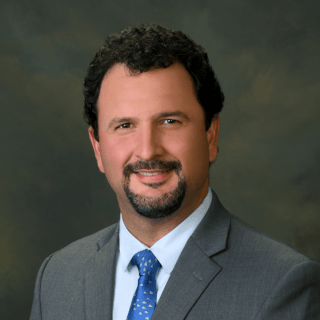
Avansic delivered factual reports with a quick turnaround to help my clients with the authentication of PDF documents. That facilitated decisions that were very beneficial to the case's outcome. In particular, their ability to explain complex technical issues in layman's terms was crucial and unique.
Alberto Castañer
Castañer & Cía P.S.C. - San Juan

Avansic’s quick response and turnaround when collecting mobile devices enables us to address issues swiftly. In addition, their ability to deal with complex personnel and technical issues in real-time has helped compel the cooperation of digital device owners.
Allyson K. Howie
Entergy Services, LLC - New Orleans